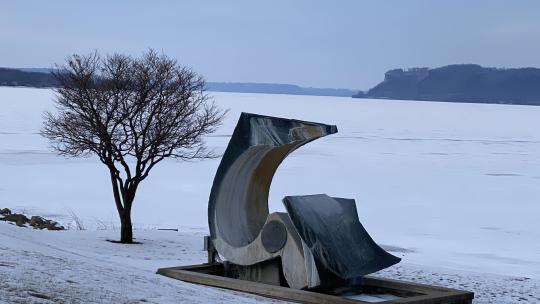
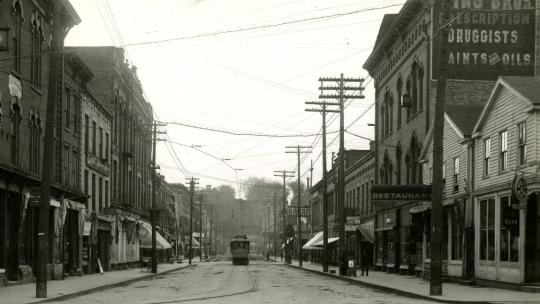
Explore a new contributor to the Minnesota Digital Library. The Lake City Historical Society collection inlcudes a series of oral histories that celebrate the history and surrounding area of Lake City, Minnesota.
Hello! I'm Dana Kocienda (Koh-shen-dah), the new Products Coordinator at Minitex, bringing over 16 years of experience at Minitex in the Communication and Organizational Support (C+OS) unit. I'm eager to use my new role to strengthen library services and enhance connections within the community.
Anne Fulton, Sage Business Development Partner, will partner with Minitex for a one-hour Sage Campus introductory session on Wednesday, May 22 at 2:00 p.m. CDT. Sage Campus is a collection of self-guided online courses for the library, supports the teaching and learning of information and data literacy, foundational research skills, and advanced data science techniques.
Spend Tuesdays this summer learning about funds for digitization, the importance of digital content metadata and transferability into different environments, workflow of processing born-digital records, best Practices in digitization, and digital preservation.
The Minnesota Digital Library website recently implemented several new enhancements designed to improve user experience, navigation, and engagement with the digital collections at mndigital.org.
University of Minnesota seeks Government Publication Library Assistant with a base pay of $17.50. This position requires basic office skills, attention to detail, and problem-solving.