Quick Summary
This month’s Resource Pack invites students to explore our local, state, and federal judiciary systems, including how courts are structured, how key cases have shaped justice, and how individual justices bring the system to life.

In the November resource pack on the Judiciary, learners of all ages can access historical sources, biographies, foundational concepts, landmark rulings, and contemporary debates about how the judiciary works in eLibraryMN, Ebooks Minnesota, and the Minnesota Digital Library.
At the elementary level, Britannica’s overview of the judicial branch introduces young learners to the roles and functions of courts in a way that is both simple and accessible. PebbleGo adds depth by offering interactive biographies of Supreme Court justices, helping students see the people behind the institution and understand how individual justices shape the work of the Court. For middle school students, Gale’s Topic Guide on the Judiciary provides a wide ranging group of resources for students to explore, including primary sources, academic research, and current debates.
At the high school level, students can begin to grapple with more complex questions about the judiciary’s role in American life. Britannica’s new AI-powered “ASK Britannica” tool encourages inquiry into debates such as the tension between federalism and judicial authority. Academic Search Premier offers access to peer-reviewed scholarship for deeper research, while EBSCO’s Points of View Reference Center invites students to engage with pressing issues of citizens’ rights, from facial recognition technology to gun control. Additional resources from Gale provide in-depth coverage of the Supreme Court and the judicial branch, while ProQuest ensures that students can follow the latest judicial developments with full-text reporting from major national newspapers.
This month’s Ebooks Minnesota selections introduce students to key concepts, figures, and cases that shape the U.S. judicial system. Titles such as What Is “Pleading the Fifth”? and Loving v. Virginia explain foundational rights and landmark rulings, while Sonia Sotomayor highlights the human story behind the Supreme Court. Younger readers can explore The U.S. Supreme Court for an accessible introduction to the nation’s highest court, while Judges offers insight into how judicial decisions affect people’s lives.
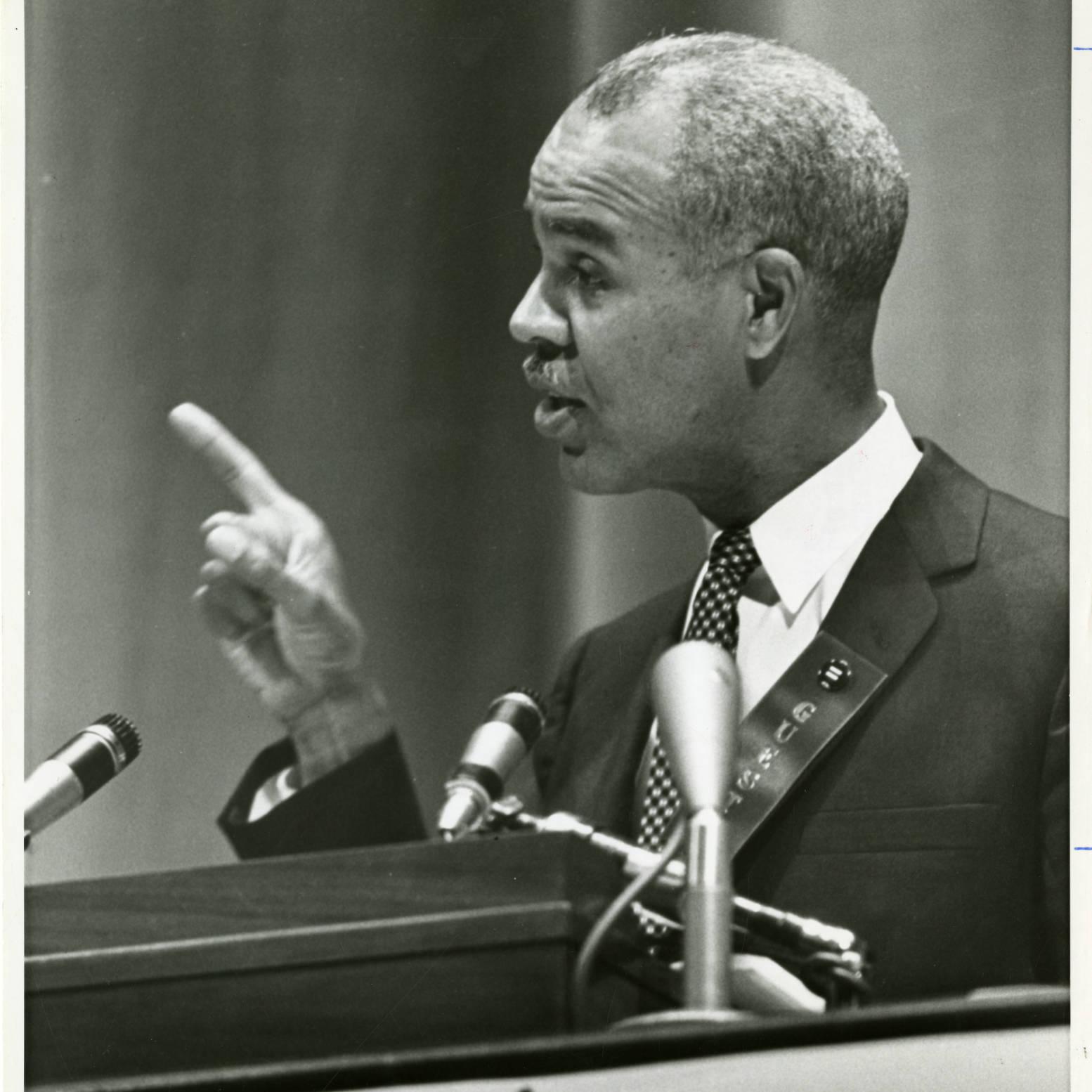
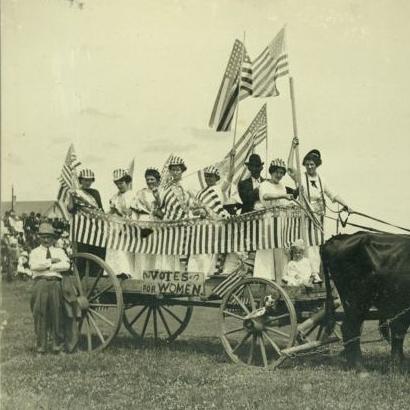
The primary and secondary sources in this set from the Minnesota Digital Library include founding documents such as the first Rules of Court for Minnesota Territory, as well as a section on the Judiciary in the first state constitution of 1858. Photographs of judges, jury members, courtrooms, and courthouses provide learners with visual representations of the judicial system throughout Minnesota history. Oral history interviews with judges, such as former Minnesota Supreme Court Justice Alan Page, provide insights into how people become judges and how the system works.
Interested in learning more? Check out the Judiciary Resource Pack today!
Image credit: Stevens County Courthouse, Morris, Minnesota, c. 1920. Stevens County Museum and Historical Society collection, collection.mndigital.org/catalog/ste:1267